
Table of Contents
- Why Your Digestion Deserves Attention Now
- How to Improve Digestion Naturally: The Core Principles
- Step 1: Eat More Fiber-Rich Foods That Help Digestion
- Step 2: Hydrate the Right Way for a Happy Gut
- Step 3: Add Probiotics and Prebiotics to Your Routine
- Step 4: Practice Mindful Eating and Chew Thoroughly
- Step 5: Use Natural Remedies for Bloating
- Step 6: Sip Herbal Teas for Digestion and Comfort
- Frequently Asked Questions
Last Updated: September 9, 2026
Why Your Digestion Deserves Attention Now
Digestive discomfort is one of the most common reasons people visit their primary care physician, yet many accept bloating and irregularity as normal. Your digestive tract influences far more than how you feel after a meal; it plays a central role in nutrient absorption, immune function, and mood through the gut-brain axis. Learning how to improve digestion naturally starts with understanding that your gut is an active ecosystem that responds to everything you eat, drink, and do.
At Present Body Co, our approach to digestive wellness is rooted in nature's simplest ingredients. Most digestive complaints respond well to consistent, gentle habits rather than harsh interventions. Below, we walk you through 12 practical steps that address the root causes of poor digestion, from fiber intake and hydration to mindful eating and stress management.
How to Improve Digestion Naturally: The Core Principles
Natural digestion support is the practice of using food, hydration, lifestyle habits, and botanical remedies to help your gastrointestinal tract function optimally. Rather than masking symptoms with over-the-counter products, this approach works with your body's own rhythms to support regular bowel movements, reduce bloating, and enhance nutrient absorption.
The digestive process begins before your first bite, your brain signals your stomach to produce acid and enzymes when you smell, see, or anticipate food. This is why eating in a rushed, stressed state can disrupt digestion before it starts. Core principles include eating whole foods, staying hydrated, supporting your gut microbiome, chewing thoroughly, and respecting your body's circadian rhythm around meals.
| Core Principle | What It Means | Daily Practice |
|---|---|---|
| Fiber intake | Feeds beneficial gut bacteria | 25-38 grams from whole foods |
| Hydration | Keeps digestion process moving | Water throughout the day |
| Mindful eating | Supports enzyme production | Chew 20-30 times per bite |
| Stress management | Protects gut-brain axis | 5-10 minutes of deep breathing |
Step 1: Eat More Fiber-Rich Foods That Help Digestion
Fiber is the single most important nutrient for digestive health, yet most adults fall short of the recommended intake (ods.od.nih.gov). Foods that help digestion include soluble fiber sources like oats, apples, and carrots, which form a gel-like substance that slows digestion and feeds beneficial bacteria. Insoluble fiber from leafy greens, nuts, and whole grains adds bulk to stool and helps prevent constipation by speeding up transit time through the digestive tract.
A common mistake is increasing fiber too quickly, which can cause gas and cramping. Instead, add one serving of high-fiber food every few days and drink extra water as you go, without adequate hydration, fiber can worsen constipation. Leafy greens, berries, figs, and papaya are gentle options that provide prebiotic fiber for your gut microbiome.
Step 2: Hydrate the Right Way for a Happy Gut
Water is the medium through which every digestive process operates. When you're dehydrated, your colon extracts water from waste material, leading to hard stools. The standard advice to drink eight glasses a day is a reasonable starting point, but the real measure is urine color: pale yellow indicates adequate hydration, while dark yellow or amber signals a need for more fluids (the CDC).
Hydration for digestion goes beyond water volume. Electrolytes, sodium, potassium, and magnesium, are essential for fluid balance and muscle contractions along the digestive tract. Drinking excessive plain water without electrolytes can dilute sodium and impair nutrient absorption. For most adults, a balanced diet provides sufficient electrolytes, but if you're increasing fiber intake or exercising heavily, consider sources like coconut water or a pinch of sea salt.
A critical gap in most digestion advice is the impact of common medications on hydration needs. Diuretics, often prescribed for blood pressure, increase fluid loss and can lead to constipation if not carefully managed (nhlbi.nih.gov). Metformin, a common diabetes medication, frequently causes gastrointestinal distress that is exacerbated by poor hydration. Even over-the-counter antihistamines have anticholinergic effects that reduce saliva production and slow gut motility, making adequate water intake more important. If you take any of these medications, you may need to be more deliberate about your hydration schedule, and you should discuss any persistent digestive changes with your healthcare provider.
Age also changes hydration needs. As we get older, our sense of thirst diminishes and the kidneys become less efficient at concentrating urine, putting older adults at higher risk of chronic mild dehydration that contributes to constipation. A practical strategy for any age is to pair water intake with daily routines, a glass after each bathroom visit, before each meal, and with each medication dose.
The advice to avoid water during meals is often overstated. While large volumes can dilute stomach acid temporarily, the stomach quickly adjusts. The bigger issue is gulping ice-cold water, which can slow gastric emptying. Sip room-temperature water throughout your meal and hydrate well between meals. Herbal teas, broths, and water-rich fruits like cucumber and watermelon all count toward fluid intake and provide additional nutrients.
Starting the day with a glass of warm water and lemon is a gentle way to rehydrate after sleep and stimulate the digestive tract. The citric acid may also support stomach acid production, particularly helpful for older adults. Throughout the day, drink consistently rather than in large boluses, and pay attention to how your body responds.
Step 3: Add Probiotics and Prebiotics to Your Routine
Your gut microbiome, the community of trillions of microorganisms living in your digestive tract, plays a central role in how well you digest food and absorb nutrients. Probiotics are beneficial bacteria that can be consumed through fermented foods like yogurt, kefir, sauerkraut, and kimchi, while prebiotics are the fiber compounds that feed those bacteria. Both are necessary for a balanced gut ecosystem.
Prebiotic fiber is found in garlic, onions, bananas, oats, and apples, while papaya leaves have been traditionally used to support digestive health. If you're considering probiotic supplements, look for multiple strains with colony-forming units in the billions, and take them consistently for at least four weeks. Many people find that rotating fermented foods into weekly meals provides more sustainable benefits than supplements alone.
Step 4: Practice Mindful Eating and Chew Thoroughly
Digestion begins in your mouth, where chewing breaks food into smaller particles and mixes it with saliva containing digestive enzymes. Most people chew only enough to swallow comfortably, but aiming for 20 to 30 times per bite significantly reduces the workload on your stomach and intestines, reducing bloating and improving nutrient absorption.
Mindful eating means sitting down for meals without distractions, eating slowly, and paying attention to hunger and fullness cues. When you eat while working or watching television, you tend to eat faster and more than your body needs, overwhelming the digestive system. The gut-brain axis is bidirectional, stress and distraction can slow digestion just as relaxation can enhance it.
Step 5: Use Natural Remedies for Bloating
Bloating is one of the most common digestive complaints, and natural remedies for bloating focus on reducing gas production and supporting gut motility. Ginger and peppermint are well-documented for relaxing the digestive tract and easing discomfort. Fennel seeds, chewed after meals, can help reduce gas. These botanicals work gently without the side effects of commercial anti-gas medications.
Fructose sensitivity is a hidden cause of bloating for many people. Fruits high in fructose, like apples and pears, can ferment in the colon when absorbed incompletely. Papaya contains papain, a digestive enzyme that helps break down proteins and may ease bloating after heavy meals. If you experience frequent bloating, keep a food diary to identify trigger foods.
Step 6: Sip Herbal Teas for Digestion and Comfort
Herbal teas offer a practical, evidence-informed way to support digestion, but effectiveness depends on choosing the right botanical for your complaint and preparing it correctly. Peppermint tea is one of the most studied remedies; its menthol content relaxes gastrointestinal smooth muscle, relieving gas and cramping. However, peppermint can relax the lower esophageal sphincter, potentially worsening acid reflux. If you have GERD, ginger tea is often a better choice, it stimulates gastric emptying without relaxing that sphincter.
Chamomile tea calms the gut-brain axis. Its active compounds, including apigenin, bind to benzodiazepine receptors in the brain, producing a mild anxiolytic effect that reduces stress-related digestive symptoms, particularly useful for those whose bloating worsens during high-stress periods. Fennel tea, with its anethole content, is a traditional carminative that helps expel gas, especially after heavy meals.
What most articles miss is that the timing and method of tea consumption matter as much as the tea itself. Sipping warm tea 20 to 30 minutes after a meal promotes blood flow to digestive organs and provides gentle warmth that stimulates peristalsis. Slow sipping encourages a relaxed state, activating the parasympathetic nervous system, the 'rest and digest' mode. Avoid large quantities immediately before or during meals, as this can dilute digestive juices. Treat tea as a post-meal ritual that signals the eating phase is complete.
Preparation method also affects potency. Loose leaf teas generally retain more volatile oils than pre-packaged tea bags, which often contain fannings and dust that lose potency during processing. For optimal extraction, steep herbal teas for 5 to 10 minutes in water just below boiling (around 200°F), and cover the cup to prevent volatile compounds from escaping. Most herbal blends need longer than 2 to 3 minutes to release their active constituents.
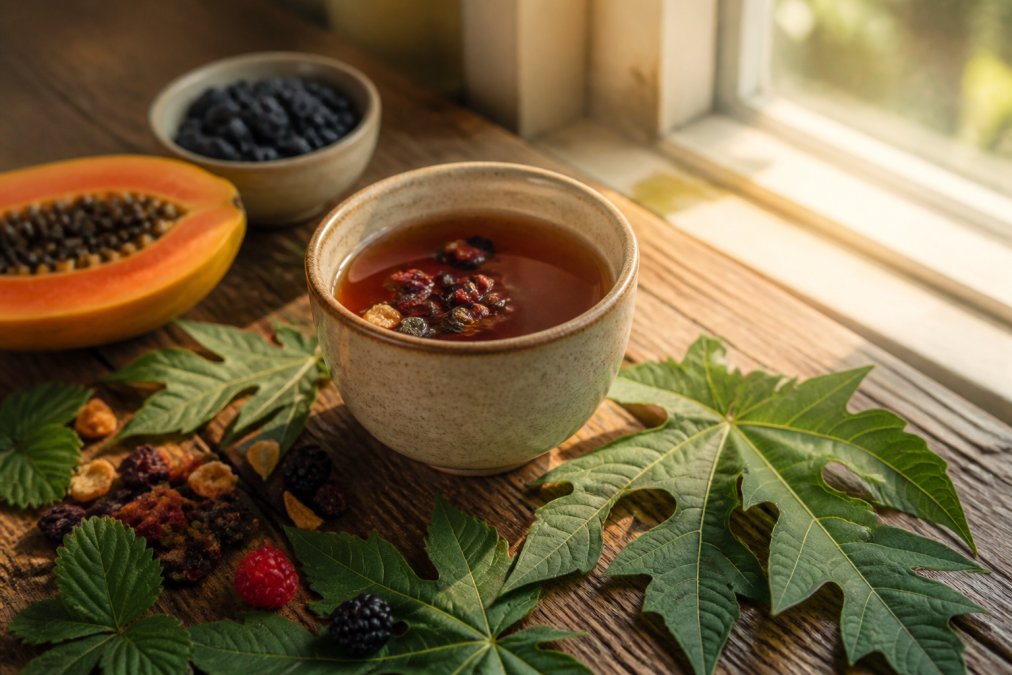
The Harmony Fruit Leaf Tea from Present Body Co is crafted specifically for everyday digestive support, blending papaya, guava, raspberry, strawberry, fig, lime, black currant, and blackberry leaves. Papaya leaves contain papain, a proteolytic enzyme that helps break down proteins, while the berry leaves contribute polyphenols that support a healthy gut environment. This loose leaf botanical tea is designed to help your body feel lighter and more at ease from the inside out, addressing occasional bloating and promoting digestive comfort. For those seeking a single-ingredient option, Papaya Leaf Dried and Cut Leaves offer the traditional digestive benefits of papaya at $12.99 per bag.

Digestive changes are a normal part of aging, and the gut microbiome shifts as we get older, often with reduced diversity and lower levels of beneficial bacteria. Older adults may produce less stomach acid and digestive enzymes, making thorough chewing and smaller, more frequent meals increasingly important. Medication interactions also deserve attention, many common prescriptions, including antibiotics, pain relievers, and acid reducers, can disrupt the gut microbiome or slow gut motility. If you take regular medication and notice digestive changes, discuss them with your healthcare provider. Sleep hygiene is another overlooked factor, as poor sleep disrupts the circadian rhythm that regulates digestive function.
Frequently Asked Questions
What is the 7 day gut reset?
A 7 day gut reset is a short-term plan to improve digestion naturally by removing common irritants and adding gut-friendly habits. For one week, focus on eating whole foods like leafy greens and lean protein, drinking plenty of water, and avoiding processed foods. Add a daily walk to support gut motility and practice mindful eating at every meal. Many people find this helps reduce bloating and improves bowel regularity within the week.
What to drink to improve digestion?
Water is the best drink for digestion, as it helps break down food and keeps things moving through your digestive tract. Herbal teas for digestion, like papaya leaf or berry leaf blends, offer gentle support without caffeine. Try a warm cup of fruit leaf tea after a heavy meal to ease occasional bloating. Avoid sugary sodas and excessive alcohol, which can disrupt the gut microbiome.
How can I improve my digestion in 24 hours?
To improve digestion in 24 hours, start with a hydration-first morning: drink a glass of water before coffee. Eat smaller, fiber-rich meals like oatmeal with berries and leafy greens. Chew each bite thoroughly to support the digestion process. Take a 15-minute walk after lunch and dinner to boost gut motility. Finish the day with a cup of herbal tea for digestion and get a full night of sleep to give your gut time to rest.
What are signs of a weak digestive system?
Common signs of a weak digestive system include frequent bloating, constipation, diarrhea, and persistent heartburn. You might also notice low energy, poor nutrient absorption, or skin issues. If these symptoms appear regularly after eating, your gut microbiome may be out of balance. Focus on fiber intake, hydration, and stress management to improve digestion naturally. If symptoms persist for more than two weeks, consult a healthcare provider.