
Table of Contents
- How to Brew Fig Leaf Tea: Start With the Ritual
- A Simple Fig Leaf Tea Recipe for One Warm Cup
- Fresh or Dried Leaves: Choosing Your Starting Point
- How to Prepare Fresh Fig Leaves Before Brewing
- How Long to Steep Fig Leaf Tea for the Flavor You Want
- How to Dry Fig Leaves for Tea at Home
- Troubleshooting Taste and Preparation
- Conclusion
- Frequently Asked Questions
Last Updated: October 17, 2026
How to Brew Fig Leaf Tea: Start With the Ritual
Fig leaf tea is a warm, golden cup made by steeping the leaves of the fig tree in hot water. It tastes mildly sweet, earthy, and a little woody. Learning how to brew fig leaf tea is less about technique and more about slowing down. This guide from Present Body Co walks through the whole ritual, from leaf to cup.

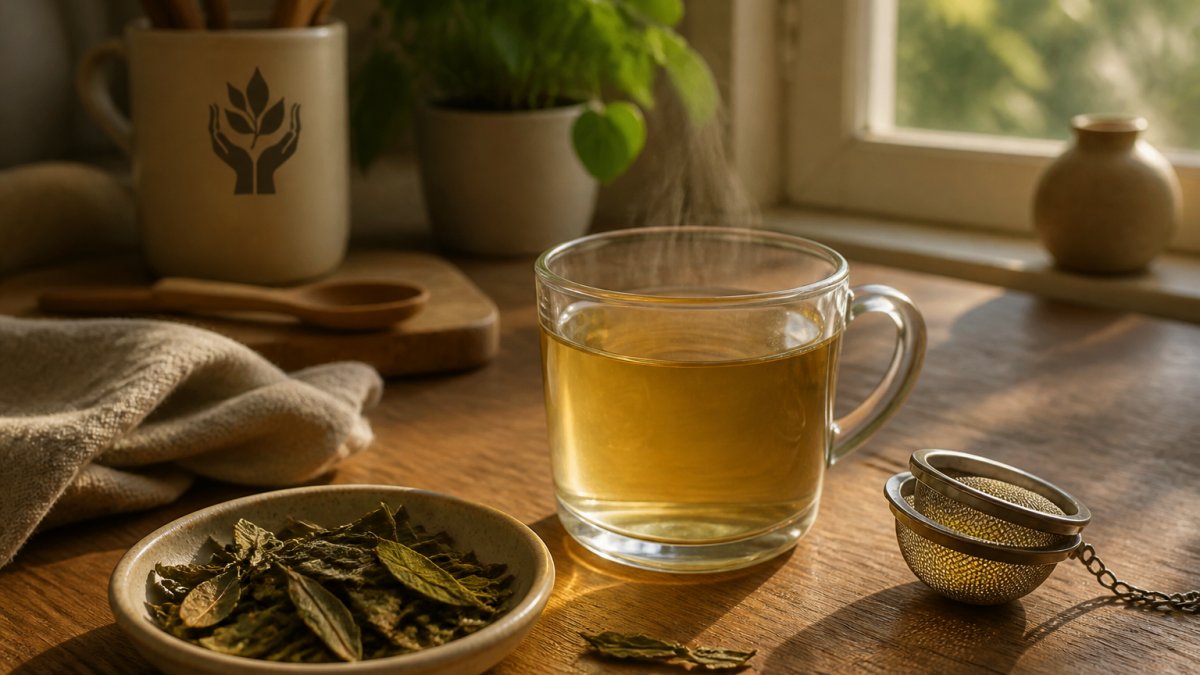
The fig tree carries one of the richest botanical histories of any plant. Families across the Mediterranean, the Middle East, and North Africa have brewed fig leaves for generations. The fig also appears throughout Scripture, from the garden in Genesis to the parables of the Gospels. That heritage is worth honoring, one quiet cup at a time.
Below, you'll find a simple recipe, a fresh-versus-dried comparison, and the small details that change the flavor. But first, here's what most guides get wrong: they rush the steep. Fig leaf needs a few extra minutes to open up.
A Simple Fig Leaf Tea Recipe for One Warm Cup
A basic fig leaf tea recipe calls for 1 to 2 teaspoons of dried cut leaves per 8 ounces of boiling water, steeped for 7 to 10 minutes. That's the whole method. Everything else is preference.

What You'll Need
- 1 to 2 teaspoons dried fig leaves, or 2 to 3 fresh leaves
- 8 ounces fresh water
- A fine mesh infuser or strainer
- A warm cup, rinsed with hot water first
- Optional: raw honey, a lemon slice, fresh ginger, or a strip of orange peel
Step by Step
- Bring fresh cold water to a full boil.
- Add 1 to 2 teaspoons of dried leaves to your infuser.
- Pour the hot water over the leaves.
- Cover the cup and steep for 7 to 10 minutes.
- Lift out the infuser and strain any loose bits.
- Sip slowly while it's still warm.
Covering the cup keeps the steam and aroma in. It's a small step most people skip.
Fresh or Dried Leaves: Choosing Your Starting Point
Dried leaves give the most consistent cup. Fresh leaves taste greener and brighter, but they carry more water, so they need a longer steep and a slightly larger handful.
Here's how the two compare:
| Factor | Fresh Leaves | Dried Leaves |
|---|---|---|
| Amount per 8 oz | 2 to 3 leaves | 1 to 2 teaspoons |
| Steep time | 10 to 15 minutes | 7 to 10 minutes |
| Flavor | Grassy, bright, green | Earthy, sweet, woody |
| Shelf life | A few days in the fridge | Months in a sealed jar |
| Best for | Late summer brewing | Everyday ritual |
Dried leaves are the easier starting point for a daily habit. They measure cleanly and keep for months.
For a ready-made option, Present Body Co offers Fig Leaf dried and cut leaves, sourced from organically grown and wild harvested origins. The leaves are never irradiated and never mass-produced. Each bag is cut and packed in small batches.
How to Prepare Fresh Fig Leaves Before Brewing
Fresh fig leaves need a little handling before they meet hot water. The goal is a clean leaf with as much surface open to the water as possible. Treat this step like washing herbs from the garden: slow, careful, and done by hand.
Start by choosing the right leaves. Look for young, unblemished leaves from the middle of the branch. Skip any leaf that is yellowed, spotted, torn, or curling at the edges. A healthy fig leaf is broad, lobed, and deep green, with a slightly rough top and a softer underside.
If you are picking your own, identify the tree first. Fig leaves are large and deeply lobed, often with three to five fingers, and the tree's sap is milky white. Avoid leaves from roadsides, parking strips, or any plant that may have been sprayed. A garden you know, or a friend's tree, is the safest source.
Rinse each leaf under cool running water. Pat them dry with a clean cloth. Remove the stems, since they add a bitter edge. Then cut the leaves into thin strips with food scissors, or simply tear them by hand. Tearing bruises the leaf slightly, which many brewers prefer for flavor.
A light hand crush before brewing also helps. Press the strips between your fingers to open them up. You'll smell a green, slightly sweet scent right away.
One caution: fig leaves and their sap can irritate skin in some people. Rinse well and keep the sap off your hands where you can. If you are pregnant, nursing, take medication, or have a health condition, check with your doctor before trying a new herbal tea.
How Long to Steep Fig Leaf Tea for the Flavor You Want
How long to steep fig leaf tea depends on the flavor you're after. A 7-minute steep gives a light, gentle cup. Ten minutes brings out the earthy sweetness. Fifteen minutes or more turns deeper and more woody.
Watch for over-steeping. Past 15 minutes, the cup can turn sharp and a little bitter. If that happens, pull back to 7 or 8 minutes next time.
A gentle simmer works too, for those who like a stronger brew. Bring the leaves and water to a low simmer for 8 to 10 minutes, then strain. Never let it boil hard, since that muddies the taste.
How to Dry Fig Leaves for Tea at Home
Learning how to dry fig leaves for tea at home takes a day or two, and the method is simple. Dry leaves keep for months in a sealed jar, so one harvest lasts a long while. The slow part is the waiting, and that is part of the charm.
Pick healthy leaves in late morning, after the dew has lifted. Rinse them and pat them dry. Then choose a drying method:
- Air drying: Lay leaves in a single layer on a clean cloth or screen. Keep them out of direct sun. Turn them once a day. This takes two to four days in a dry room.
- Oven drying: Set the oven to its lowest setting, usually around 150°F. Spread leaves on a lined tray and leave the door slightly open. Check every 20 minutes. Most batches finish in one to two hours.
- Dehydrator: Use the lowest heat setting and dry until the leaves crumble easily. This is the most even method and the easiest to repeat.
Leaves are ready when they snap instead of bending. A dry leaf should crumble between your fingers, with no soft or leathery spots left. Let them cool fully before storing, since warm leaves trap moisture in the jar.
Store them whole in an airtight jar away from light. Crush or cut them just before brewing, since whole leaves hold their aroma longer. Label the jar with the date. A cool, dark cupboard is the best home for the jar, and a batch will keep for about a year at its best.
Troubleshooting Taste and Preparation
Most fig leaf tea problems come down to three things: too many leaves, too long a steep, or water that's too hot for too long. Fix those and the cup evens out fast.
- Too bitter? Use fewer leaves and shorten the steep to 7 minutes.
- Too weak? Add half a teaspoon more leaf, not more time.
- Too grassy? Try dried leaves instead of fresh.
- Cloudy cup? Fine leaf dust slipped through. A finer strainer fixes it.
- Flat flavor? Your leaves may be old. Freshly dried leaves taste brighter.
A slice of lemon or a little raw honey rounds out the earthy notes. Fresh ginger adds a gentle warmth. For a softer, blended cup, Balance Fruit Leaf Tea combines fig leaf with mulberry, mango, olive, and blackberry leaves for a smooth, grounding brew.
If you are pregnant, nursing, take medication, or have a health condition, check with your doctor before trying a new herbal tea.
Conclusion
Brewing fig leaf tea is a small, quiet practice: rinse the leaves, measure with a light hand, and give the cup its full seven to ten minutes. The reward is a warm golden brew with an earthy sweetness and a long history behind it. Start simple, adjust to your taste, and let the ritual find its place in your day.
Frequently Asked Questions
What does fig leaf tea taste like?
Fig leaf tea brews a warm golden cup with a mildly sweet, earthy, and slightly woody flavor. It is gentle and grounding, pleasant any time of day. Many people enjoy it with raw honey and a slice of lemon, which lifts the sweetness. If your cup tastes flat or bitter, the steep likely ran long or the leaf-to-water ratio was too strong. Start with 1 teaspoon per 8 ounces of water, taste, and add more leaf next time if you want a fuller cup.
Can you make fig leaf tea with dried leaves?
Yes. Dried fig leaves are the easier starting point for most people, and they store well in a sealed jar away from light. Use 1 to 2 teaspoons of dried cut leaf per 8 ounces of boiling water and steep for 7 to 10 minutes. Dried leaf weighs less than fresh, so you may need a little more by volume to match the strength of a fresh-leaf brew. Present Body Co's Fig Leaf is sold dried and cut, ready to measure straight into your infuser.
How should you wash and prepare fresh fig leaves for tea?
Rinse fresh leaves under cool running water and pat them dry. Remove the stems, then tear the leaf into strips or cut it with food scissors so the water can reach more surface. A light hand crush before brewing helps release the aroma. If you plan to dry the leaves first, wash and dry them fully before dehydrating so no moisture stays trapped in the jar. Always pick leaves from a tree you know has not been sprayed.
Who should check with a doctor before drinking fig leaf tea?
If you are pregnant, nursing, take medication, or have a health condition, check with your doctor before trying a new herbal tea. Fig leaf is caffeine-free, which makes it a gentle choice for an evening cup, but that does not replace a conversation with your doctor about your own situation. If you forage your own leaves, be sure you can identify the fig tree with confidence, and skip leaves from roadsides or sprayed gardens.